
What we cover
How conditions such as cataract, glaucoma, macular degeneration, and diabetic retinopathy differ from normal aging, and what a dilated eye exam can and cannot reveal.
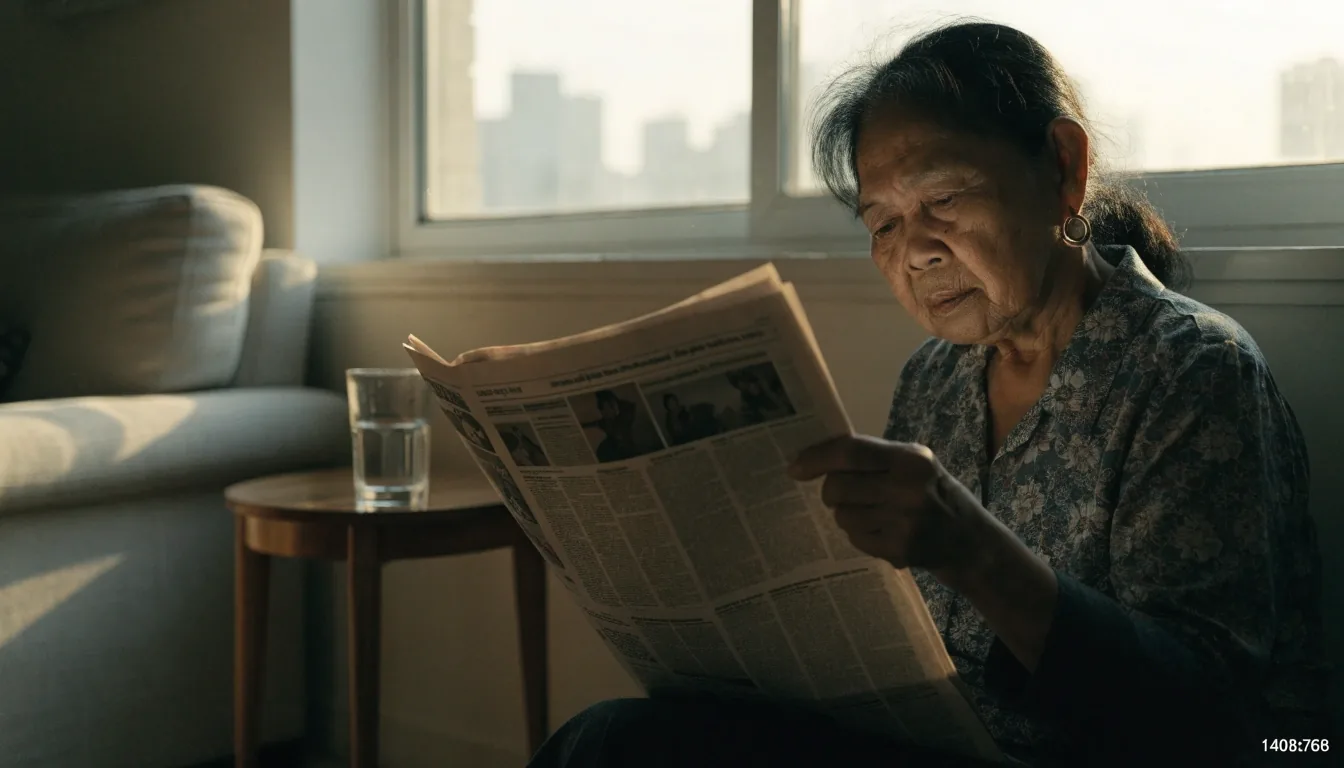
Mindful Vision Quest · Educational resource for adults in Indonesia
Most adults notice the first shifts in their eyesight in their forties or fifties. Some of it is normal aging. Some of it deserves a closer look sooner. This site helps you tell the difference, in plain language.
What this site is
Mindful Vision Quest is written for adults in Indonesia, and for the family members who help them get to appointments. We explain what age related vision symptoms feel like day to day, and where ordinary aging ends and a condition worth a prompt eye exam begins.
What we cover
How conditions such as cataract, glaucoma, macular degeneration, and diabetic retinopathy differ from normal aging, and what a dilated eye exam can and cannot reveal.
What you leave with
Plain-language context and a short list of questions, so you walk into an eye care appointment knowing what to ask and what to describe.
Sudden changes, one eye only, or pain are not typical of normal aging. Slow down and get those checked.
Everything else on this site is here to help you decide which of your everyday complaints belongs in a routine appointment, and which belongs in a phone call this week.
Where to begin
People usually arrive here with one specific complaint. Each of the ones below points in a different direction, so finding the one that matches your experience is the fastest route to the right guide.
You hold your phone further away than you did last year. When this appears gradually after 40 and feels the same in both eyes, it is often presbyopia, a normal stiffening of the lens that reading glasses or progressive lenses correct.
Oncoming headlights leave streaks, starbursts, or a few seconds where the road is hard to read. Glare sensitivity and cloudy vision more often track with cataract, though an uneven tear film from dry eye can scatter light in a similar way.
A patch of wavy or distorted central vision is a different story from ordinary blur, because macular degeneration can change how straight lines look. That pattern warrants a prompt check rather than watching it for another month.
Peripheral vision loss is another signal again, since glaucoma tends to affect the edges before the centre and often develops without pain. It usually shows up on an exam, not as something you notice yourself.
Colours can lose vividness as the lens yellows with age, and both cataract and macular degeneration make similar shades harder to separate. Blue against black is a commonly reported difficulty, and the change creeps in without a single noticeable day.
Whatever you find here, write down two or three sentences describing what you notice and when it started. That description is genuinely useful at an appointment, and it is often what turns a vague worry into a specific question a doctor can answer.

Ordinary change
Normal age-related change tends to be gradual, painless, and similar in both eyes. Presbyopia is the clearest example. The lens loses flexibility over decades, so the eye struggles to shift focus from far to near, and reading glasses or progressive lenses usually correct it. Nothing about presbyopia damages the eye itself.
Other ordinary shifts include needing more light to read, taking longer to adjust when you walk from bright sun into a dim room, and slightly reduced ability to tell similar shades apart. Tear production also changes with age, and dry eye syndrome becomes more common, which can cause irritation, discomfort, and blur that comes and goes during the day. That fluctuating blur can feel like bad eyesight even when the underlying focus is fine.
Arrives over months and years, not days. You rarely remember the week it started.
Both eyes shift together. One-sided change is not the usual aging pattern.
Discomfort, aching, or pain with nausea sits outside the normal pattern and needs a look.
What normal aging does not usually do is create sudden changes, affect one eye much more than the other, or produce pain. Those patterns are where we suggest slowing down and getting checked.
Some changes should not wait for a routine appointment. Treat the list opposite as a reason to call an eye care provider rather than a reason to wait and see.
Sudden vision loss in one or both eyes, even if it lasts only minutes.
A curtain or shadow moving across your field of view.
A sudden increase in floaters, especially with flashes of light.
Eye pain with nausea, or new double vision that was not there before.
Distortion in straight lines in central vision — a recognised warning sign for macular degeneration.
There are quieter warnings too. Peripheral vision loss from glaucoma can develop so slowly that you do not notice it until a lot of the field is gone, because central vision often stays clear. Diabetic retinopathy can be silent in its early stages, especially if blood sugar has been poorly controlled. Both are reasons to keep scheduled exams rather than waiting for symptoms to announce themselves.
A general rule we repeat often: if a change arrives over days rather than months, or if it affects one eye only, treat it as a reason to call an eye care provider.
Night driving
Glare sensitivity is one of the most common complaints we hear from readers over 50. Oncoming headlights scatter inside a clouded lens, and the result is halos, starbursts, and a few seconds of genuine difficulty seeing the road. This is a classic cataract symptom. It also shows up with dry eye, because an uneven tear film scatters light before it ever reaches the retina.

Night driving combines several problems at once. The pupil opens wider in low light, contrast sensitivity drops, and the eye takes longer to recover from a bright source. Contrast sensitivity loss means objects against similar backgrounds, like a dark car against dark asphalt, become harder to judge. That is why vision can measure technically okay on a basic chart yet still feel worse on a real road at dusk.
If night driving has become stressful rather than routine, that is worth mentioning at your next exam. It is descriptive information a doctor can act on, and it is easier to act on than a general feeling that something has changed.
These three words get used interchangeably in everyday conversation, but they point to different things. Paying attention to which one fits your experience will make your description at an appointment more useful, and it may speed up which tests get ordered.
One
A film or haze over everything, as if you are looking through a smudged window. Cataract is the usual explanation, since the lens itself becomes less transparent over time.
Two
Broader than the other two. It can come from refractive error, dry eye, cataract, or retinal problems, and it can be constant or come and go through the day.
Three
More specific: straight lines bending or wavy lines in a grid pattern, especially in central vision. A recognised warning sign for macular degeneration that warrants a prompt check.
Standard eye charts measure how well you see high-contrast letters at a distance. They do not measure how well you navigate a dim hallway, read a menu in a restaurant with low lighting, or spot a step edge in shadow. That is contrast sensitivity, and it declines with age and with cataract.
None of this shows up dramatically on a distance chart, which is why some people feel dismissed when their vision tests fine but daily life says otherwise. If this sounds familiar, say so explicitly at your appointment, using examples. Many practices can test contrast sensitivity directly, and cataract surgery often improves brightness and contrast more than it improves fine detail.
How readers describe it
Stairs become harder to judge, and the edge of each step blurs into the next.
Kerb edges blend into the road, so crossing needs more concentration than it used to.
Signage at a distance in poor light simply stops resolving, even when it is large.
Faces in a group become harder to pick out, especially across a crowded room.

Colours can lose vividness as the lens yellows with age, and cataract and macular degeneration can both make shades harder to separate. Blue against black is a commonly reported difficulty. So is the sense that the world has become slightly sepia.
This is easy to dismiss because it develops so slowly. There is no single day when colours change. Family members sometimes notice it first, when someone's clothing choices seem unusual. Colour desaturation often arrives alongside clarity and contrast problems, so it is rarely the only symptom. On its own, gradual colour fading is not an emergency. Combined with distorted central vision, or with a sudden change in colour perception in one eye, it deserves a proper exam.
Low vision means vision that cannot be fully corrected with standard glasses, contact lenses, or surgery to meet everyday needs. It is defined by what you cannot do, not by a number on a chart.
Reading mail, cooking safely, recognising faces across a room, and reading signs in public spaces are the usual trouble spots. It can come from advanced eye disease, or from several conditions stacking on top of each other, such as cataract plus macular degeneration, or glaucoma plus dry eye.
Not all vision loss in older adults is disease. Refractive error, where the eye does not focus light cleanly on the retina, is one of the leading causes of visual impairment in Indonesia alongside cataract. It can blur distance vision, near vision, or both, depending on type.
In older adults, refractive error usually coexists with presbyopia, so a single pair of glasses has to solve two problems. This is normal and correctable. The reason we separate it out is that correctable blur and disease-related sight loss feel similar day to day, and only an exam tells them apart.
That is a strong signal the problem was optical. Focus, not structure. The correction is doing real work, and the improvement usually holds while you wear them.
That is when other explanations get investigated. A retina, lens, or pressure problem can produce the same daily complaint, and it deserves the exam rather than another prescription.
If you have read this far, you probably have a reasonable idea of which symptom matters most to you. The fastest route is the symptom that interferes with your day: reading, driving, cooking, or recognising people.
If you are unsure whether something is normal, start with the comparison guide. If you want to understand what happens at an appointment, the exam page walks through the dilated eye exam step by step. And if you are in Indonesia and wondering how common these problems are locally, there is a page on vision after 50 in Indonesia with the public-health context and how eye services are typically accessed.
Short answers to the four things people ask before they book anything. If your question is not here, the editorial team reads every message.
Gradual, painless, roughly equal changes in both eyes are usually normal. Presbyopia, needing more light, slower dark adaptation, and mild colour fading fit that pattern. Sudden changes, one-eye changes, pain, flashes, a shadow across your vision, or new distortion in straight lines are not typical of normal aging and should be checked.
Presbyopia affects close-up focus and is corrected by reading glasses. Cataract tends to add glare, halos, and a cloudy or dim quality, and it is not fixed by a new prescription alone. Glaucoma is often silent and affects peripheral vision first, so it usually shows up on an exam rather than as a symptom you notice.
If it appeared suddenly, affects one eye, comes with pain, or persists after a new glasses prescription, get it checked promptly. Slow blur in both eyes can wait for a routine appointment, but it should not be ignored for months.
Yes, and several of the most important ones do. Glaucoma, diabetic retinopathy, and macular degeneration are typically painless in their early stages, which is why scheduled exams matter more than waiting for discomfort.

Two or three plain sentences about what changed and when is enough to start a useful conversation at an appointment. If you would rather ask us something first, the editorial team at Mindful Vision Quest reads every message.
Address
Jl. Cikini Raya No. 58, Menteng, Jakarta Pusat, DKI Jakarta 10330, Indonesia
Phone
Hours
Monday to Friday, 9:00 AM – 6:00 PM (WIB)